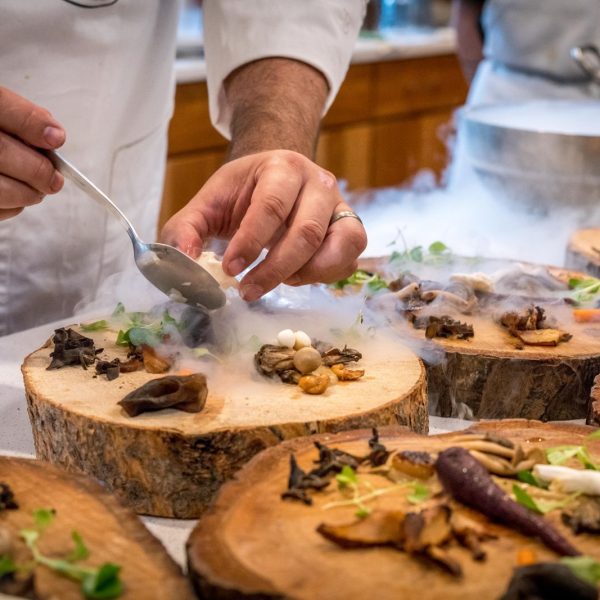
A celebrated chef flies in for a one night tasting dinner. Forty guests from a dozen countries have paid well to be there. The first course arrives and the chef begins to describe it in fast fluent English. Half the room nods politely and understands very little. The wine pairing goes unexplained. A guest with a serious allergy cannot tell the waiter what she needs. The food is superb but the evening feels flat. Nobody left unhappy but nobody left delighted either.
Food is a shared pleasure and yet it depends on words more than people admit. Guests want to know where an ingredient comes from and how it was cooked and why it sits beside another. Staff need to hear a request about allergies or diet and respond with confidence. Hosts want to thank sponsors and tell stories. All of this happens live and none of it can wait for a written translation.
Dining events in busy international cities draw mixed crowds. A launch dinner may include investors and journalists and local partners who share no common tongue. A brunch for visiting delegates may mix business talk with social chat. Even a casual weekend table can include relatives who speak three languages between them. Hospitality that ignores this mix leaves guests on the edge of their own party.
Restaurants often rely on a bilingual waiter or a friendly guest to bridge the gap. That works for a simple order. It rarely works for a speech or a technical explanation. A volunteer cannot keep pace with a chef who loves to talk. A busy waiter has other tables to serve. Mistakes about allergies can be serious and the cost of a poor guess is high.
This article explains how restaurants and event planners can use interpreters well. It covers when to hire and what kind to choose and how to prepare the team. The advice fits a small supper club as much as a large gala. None of it needs a complicated process. All of it rewards a little planning.
When to Bring in an Interpreter
Consider hiring professional interpreting services whenever speech is central to the event. Chef talks and wine tastings and award dinners all qualify. So do private dinners where a host wants to speak warmly to guests from abroad. A trained interpreter stands near the speaker and conveys meaning in real time so that guests can follow without strain. They also catch cultural cues that a simple word swap would miss. A joke or a regional dish name often needs a short explanation to land well in another language. That judgment comes with training and years of practice.
Remote options exist for smaller moments. Professional interpreters can also work by phone or video when a guest calls ahead to reserve a table. A phone or video link can help a front desk handle a booking or a complaint. For events with a stage and a microphone a person in the room usually works better. Match the format to the moment. An interpreter who sits in the corridor on a screen cannot read the mood of a dining room the way someone present can.
Choosing the Right Style
Consecutive interpreting suits dinners where a speaker talks for a minute and then pauses. The interpreter renders each part in turn and the room enjoys the rhythm of the conversation. It works well for toasts and short stories about a dish. It does add time so plan the menu pacing with that in mind. Courses should not go cold while a long story is repeated in a second language.
Whispered interpreting suits one or two guests at a table who need quiet help. Larger rooms with many languages may need equipment and several interpreters working in turns. Ask the provider what they recommend for your room size and guest list. A good provider asks questions about the format and the length and the topics before quoting.
Preparing Your Interpreter
Interpreters work best when they know the material. Share the menu and the wine list and the order of speeches several days ahead. Explain unusual ingredients and cooking terms. Send the chef's notes and any stories likely to be told. Our guide on simultaneous and consecutive interpretation explains the main formats in plain language. The AIIC also publishes helpful advice on what professional interpreters need to do a good job.
Think about the setting too. Give the interpreter a good position where they can hear and be heard. Offer water and a short break during a long evening. Local tourism bodies such as Visit Dubai show how many nationalities share the city's tables each week and why language support matters to the guest experience. Allow time for a brief meeting with the chef before service so that the two can agree on key terms. Ten minutes of preparation often prevents an hour of confusion.
Working With Your Floor Team
Staff should know the interpreter is part of the team. Brief servers on how the interpreter will work and who to ask for help. Agree a clear signal for allergy questions so that nothing is lost in noise. Print key allergy phrases in several languages for the kitchen and the floor. Keep a short list of dietary terms near the pass. Review it at the start of every shift so that new staff feel ready.
Afterwards ask for feedback. Guests will say whether they felt included. Interpreters can describe where the pace was too fast or where a term caused trouble. Use these notes to improve the next event. Over time the team builds habits that make every evening smoother.
The best hosts treat language as part of the menu. A guest who understands the story behind a dish enjoys it more and remembers the evening longer. They tell friends and they book again. The cost of a skilled interpreter is small beside the cost of the ingredients and the venue. Plan for it early and every guest will feel welcome at the table.